
Fateme Norouzi and her team entered the Iranian AeroPress Championship for the second time in 2026.
This time, they left with the gold AeroPress.
Their preparation began with the coffee itself. Working with a washed Kenyan coffee, Fateme identified a clean, sharp acidity reminiscent of red fruits that she wanted to preserve, while reducing dryness and building a more satisfying mouthfeel.
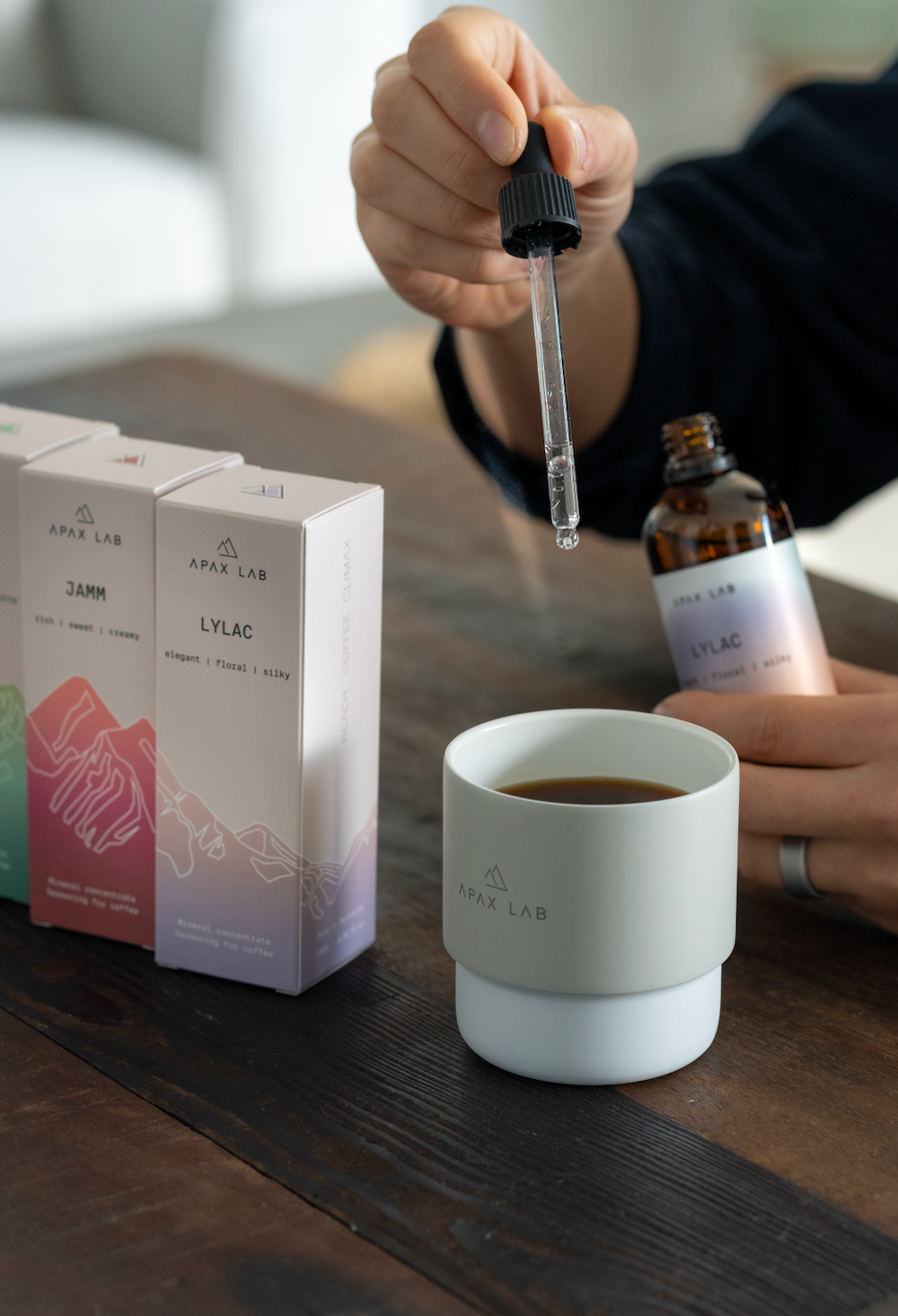
That meant testing, tasting and continuing to adjust as the coffee changed. Water became one part of that process, with Fateme exploring the APAX LAB profiles individually before settling on her final competition recipe.
The result was her first national title and a place representing Iran at the World AeroPress Championship in Mexico. That opportunity also carries a broader message for other women pursuing their own path in coffee.
We spoke with Fateme about the thinking behind her winning cup, the experimentation that shaped her water, and what she hopes to carry with her onto the World stage.
1. Tell us about your journey with the AeroPress. How long have you been brewing with it, and what made you decide to compete in the Iranian AeroPress Championship this year?
I’ve always admired how big the AeroPress competition scene is in my country.
As soon as we had the opportunity, my team and I decided to compete.
It was our second time competing, and this time we finally took home the gold AeroPress!

2. What was your approach going into the competition? Was there a particular flavour profile or cup experience you wanted to achieve?
When preparing for competitions, I always start by looking for interesting attributes in the coffee. This time, we found a clean, sharp acidity reminiscent of red fruits, and we decided to preserve it.
From there, we focused on minimising dryness and improving the mouthfeel.
3. What coffee did you work with at the championship, and what did you learn about it while developing your recipe?
The coffee provided for the competition was a washed Kenyan coffee.
We noticed very little colour difference between the whole beans and the ground coffee, which influenced how we approached extraction.
We wanted to avoid bringing out bitterness and burnt flavours while getting the best out of the coffee.

4. How did APAX LAB help you shape the final cup? Were there specific qualities, such as sweetness, acidity, texture, or clarity, that you wanted to bring forward?
I decided to use APAX LAB to minimise the less desirable qualities of the coffee.
I was looking for a water profile that would enhance the acidity, improve the mouthfeel, and reduce the drying finish.
5. What was your winning APAX LAB water recipe, and how did you arrive at that combination?
I started with post-mineralisation to understand the qualities each solution could bring to the cup.
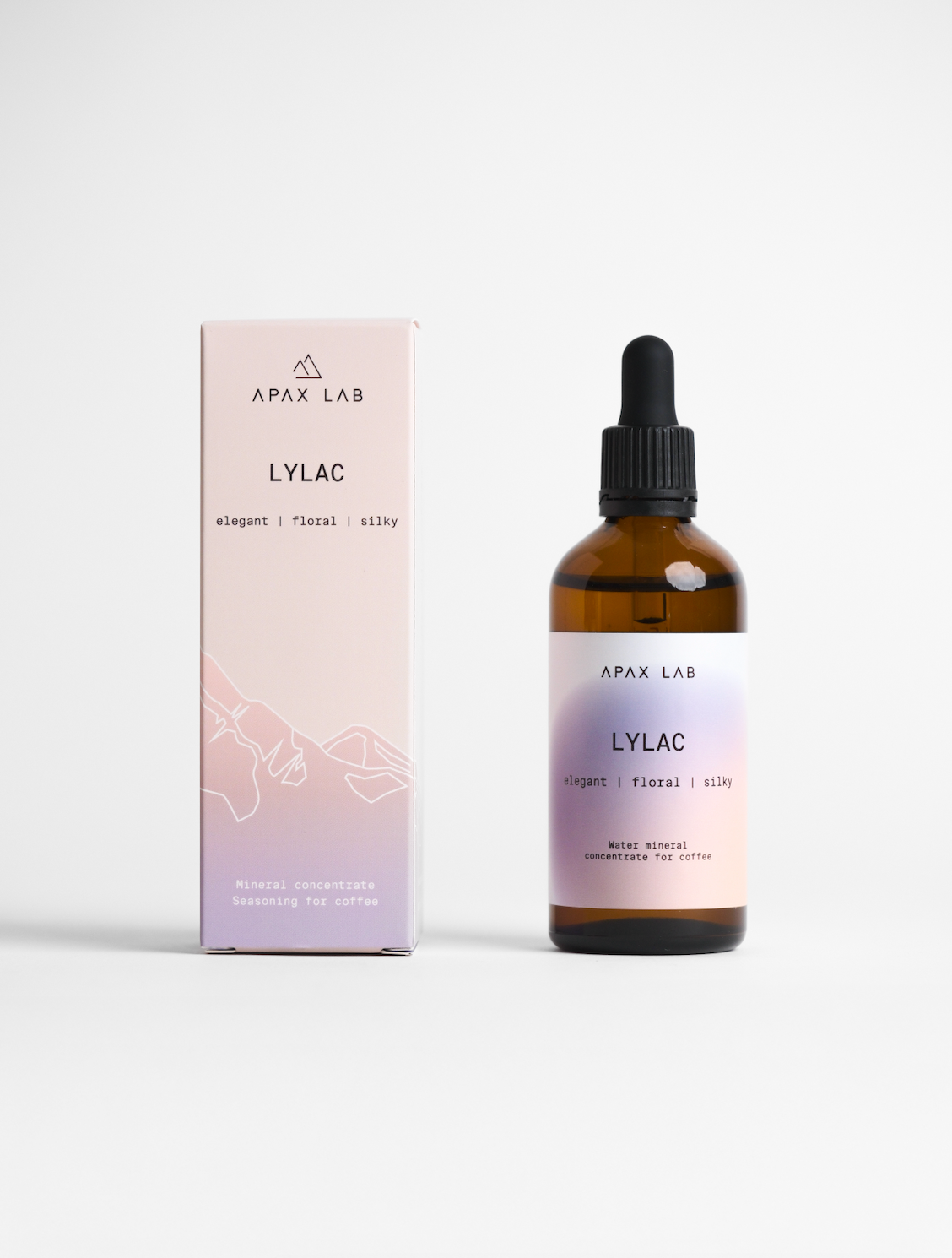
After testing them, I decided to use a TONIK-dominant recipe to emphasise the acidity. Through trial and error, my team and I settled on a soft water profile using:

6. AeroPress competitions involve a lot of experimentation and quick decision-making. Was there anything you changed or discovered during preparation or close to competition day that made a real difference?
As competition day approached, we noticed that the coffee had degassed further, which changed how it dissolved during brewing.
We decided to use a finer grind with the Kinu hand grinder to increase extraction.
7. As a woman representing Iran on the World AeroPress stage, what does this opportunity mean to you, and what would you say to other women pursuing their passion for coffee?
I’ve never seen being a woman as a limitation.
My message to other women is: don’t hold yourselves back, speak up, take up space, and pursue what you love.

8. What are you most excited about as you head to the World Aeropress Championship?
Being surrounded by so many amazing competitors will be a great joy for me.
I’m also really excited to explore Mexico while I’m there!
9. For someone looking to compete in AeroPress for the first time, what advice would you give them?
My advice is to approach your coffee from a judge’s perspective right from the start.
Keep an open mind, and don’t let your preconceived ideas limit how you experience the coffee.
Try to calibrate with experienced people and, above all, learn how to compete to win while still enjoying the experience.

Final Thoughts
Fateme’s championship cup began with observation.
She and her team identified the acidity they wanted to preserve, recognised the dryness they wanted to soften, and built the rest of the recipe around what they were tasting.
They tested the APAX LAB profiles individually before settling on a final water recipe. And when the coffee continued to change closer to competition day, they changed with it rather than treating the original recipe as fixed.
That openness also shapes Fateme’s advice to other competitors: question your assumptions, taste with other people and keep learning.
Now, after securing the Iranian title on her second attempt, she will carry that mindset to the World AeroPress Championship in Mexico.
And as she prepares to represent Iran on the World stage, her message to other women is just as clear:
“Don’t hold yourselves back, speak up, take up space, and pursue what you love.”
Congratulations to Fateme Norouzi, the 2026 Iranian AeroPress Champion! We are proud to have APAX LAB play a supporting role in her competition journey, and excited to see where it takes her next.